In our fast-paced digital world, communication has evolved, yet some traditional methods persist, such as faxing. Despite the rise of emails and instant messaging, many businesses still rely on faxes for their reliability and security. However, the challenge arises when it comes to organizing and storing received faxes. As the volume of incoming faxes increases, the need for efficient management becomes essential. Imagine a scenario where important documents are cluttered in a chaotic digital filing system or worse, lost in the abyss of outdated hardware.
This can lead to significant setbacks in your workflow and can hinder your ability to access critical information when you need it most. Fortunately, with the right strategies in place, you can transform this potential headache into a streamlined process. This article will guide you through innovative methods to effectively organize and store received faxes online. By implementing these strategies, you can not only enhance your productivity but also ensure that your important documents are secure and easily accessible at all times. Join us as we explore practical solutions that will revolutionize the way you handle your incoming faxes. In today’s digital age, many businesses and individuals are moving away from traditional fax machines and embracing online fax servicesonline fax services.
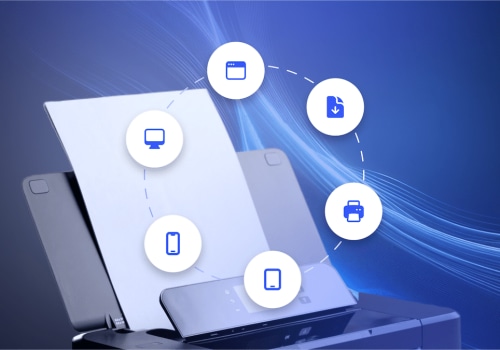
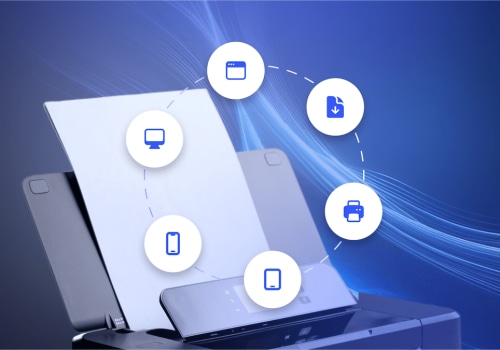
This shift offers numerous benefits, such as enhanced convenience and accessibility, particularly for those searching for Fax Online Free solutions that eliminate the need for physical equipment. By utilizing online fax services, users can receive faxes directly to their email inbox or a designated online platform, streamlining the process and making it more efficient. This article will explore various free online fax services available, how they operate, and effective strategies for organizing and storing received faxes.One popular option is FaxZero, which allows users to send faxes without any cost. However, it does have limitations, such as a maximum of three pages per fax and a watermark on outgoing faxes.
To use FaxZero, simply visit their website, fill out the required information, including the recipient’s fax number and your email address, attach any documents you wish to send, and hit send. While FaxZero is primarily for sending faxes, it can also be used to receive faxes via email notifications. Another well-known service is eFax, which offers a free trial period that allows users to receive faxes without charge for a limited time. eFax provides users with a dedicated fax number and enables them to receive faxes directly in their email inbox. The setup process is simple: after signing up for an account, users will receive instructions on how to access their virtual fax number.
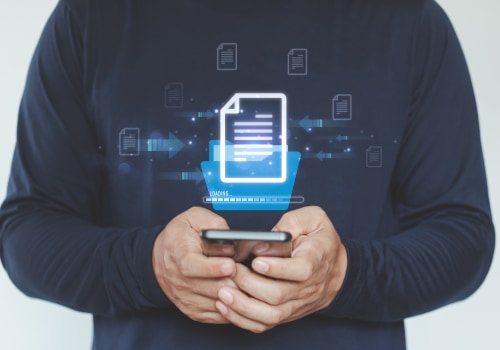
eFax also allows for easy document management by enabling users to download or save received faxes directly to their devices.
MyFax
is another viable option that provides a similar service with a free trial period. Users can sign up and receive faxes online through their dedicated MyFax number. The platform is user-friendly, making it easy for anyone to navigate through their dashboard to access received faxes. Like eFax, MyFax allows users to forward received faxes via email or save them to cloud storage solutions. To effectively organize received faxes, users should consider creating folders within their email clients or using tagging systems to categorize documents based on clients, projects, or urgency.For instance, setting up folders named after different clients or projects will help in quickly locating important documents when needed. Users can also implement a tagging system that adds keywords or categories to emails containing received faxes, thus streamlining the retrieval process. However, it’s essential to be aware of the limitations that come with free online fax services. Most free options restrict the number of pages that can be sent or received monthly and may impose time constraints on how long documents are stored before deletion. For example, some services might allow only ten pages per month or require that faxes be downloaded within a specified timeframe. Security is another critical aspect when receiving faxes online.
Users should ensure they utilize encrypted email services to protect sensitive information contained in faxes. Additionally, opting for secure cloud storage solutions is advisable for storing received documents securely. Services like Google Drive or Dropbox offer options for encrypting files and controlling access, ensuring that sensitive information remains protected from unauthorized access. Many businesses have successfully transitioned to online faxing, implementing organizational strategies that enhance efficiency. For example, a small law firm may adopt an online fax service like eFax and create dedicated folders in their email system for different cases.
This not only helps in keeping documents organized but also aids in quick retrieval during client meetings or court hearings. Similarly, a marketing agency may use tags within their email client to classify faxes based on specific campaigns or clients, allowing team members to find necessary documents rapidly. In conclusion, utilizing free online fax services presents an excellent opportunity for users seeking convenience and efficiency in handling incoming faxes. By selecting the right service and implementing effective organizational strategies, individuals and businesses can significantly improve their document management processes while ensuring security and accessibility.
Ensuring Security in Online Faxing
As the shift from traditional fax machines to online fax services continues, ensuring the security of sensitive information becomes paramount. When organizing and storing received faxes online, it is crucial to adopt best practices that safeguard your data from unauthorized access. First and foremost, choose a reputable online fax service that prioritizes security.Look for features such as end-to-end encryption, which ensures that your documents are protected during transmission and storage. This means that only authorized users can access the content of your faxes. Additionally, implement strong password policies for your online fax account. Use complex passwords that combine letters, numbers, and special characters. Regularly updating your passwords and enabling two-factor authentication can further enhance your account's security. It is also advisable to limit access to your fax documents.
Only share access with trusted individuals who need it for their work. If a fax contains highly sensitive information, consider using secure file-sharing methods instead of standard email attachments. Moreover, regularly review and audit your received faxes. Deleting unnecessary faxes promptly and keeping track of what information is stored can help mitigate potential risks. Always be cautious when disposing of old documents by using secure deletion methods. In conclusion, by following these best practices for securing sensitive information when receiving faxes online, you can effectively protect your data while enjoying the benefits of modern faxing solutions.
Limitations of Free Fax Services
While free fax services provide an excellent way for users to send and receive faxes without the need for physical equipment, there are several limitations that one should be aware of.Understanding these drawbacks can help users make informed decisions when choosing a fax service. One major limitation is storage capacity. Many free fax services impose restrictions on the number of faxes you can send or receive within a specific timeframe. This can become problematic for users who rely heavily on fax communications, as reaching the limit may force them to either upgrade to a paid plan or seek alternative solutions. Another concern is security. Free fax services may not offer the same level of encryption and data protection as their paid counterparts.
This lack of security can pose risks, especially when dealing with sensitive or confidential information. Users must carefully consider whether a free service meets their security needs. Additionally, free fax services often come with advertisements or branding, which can detract from the professional appearance of received documents. Users looking to maintain a polished image may find this aspect undesirable. Lastly, customer support is typically limited with free services. Users may encounter issues or technical difficulties but find that assistance is minimal or non-existent.
This can lead to frustrating experiences, especially when time-sensitive faxes are involved. In summary, while free fax services can be a convenient option for occasional users, it is essential to weigh the limitations against your specific needs and consider whether investing in a paid service might be more beneficial in the long run.
Organizing Your Received Faxes
Organizing your received faxes is crucial for maintaining efficiency and ensuring that important documents are easily accessible. With the transition to online fax services, users can implement various strategies to effectively manage their incoming faxes.Create a Dedicated Folder Structure
: One of the first steps in organizing your faxes is to establish a folder structure that makes sense for your needs. Consider creating main folders based on categories such as Clients, Projects, or Departments. Within these folders, you can have subfolders for specific clients or projects, which will help you quickly locate any fax when needed.Use Descriptive File Names
: When saving your received faxes, use clear and descriptive file names that include relevant information such as the date, sender, and subject of the fax.For example, a file name like "2023-10-15_ClientA_ProjectX_Fax.pdf" provides immediate context and makes it easier to find specific documents in the future.
Implement a Tagging System
: Many online storage solutions allow you to tag documents for easy identification and retrieval. Utilizing tags such as Urgent, To Review, or Archived can streamline your workflow and ensure that you don’t overlook important faxes.Regularly Review and Archive
: To prevent clutter, make it a habit to regularly review your received faxes. Archive or delete any documents that are no longer necessary, which will help keep your folders organized and manageable. Consider setting a reminder to do this monthly or quarterly.Utilize Search Features
: Take advantage of search functionalities offered by online fax services and document management systems.By using keywords or filters based on your established folder structure, you can quickly locate any fax without having to sift through all your files manually.
Backup Your Faxes
: Lastly, ensure that your received faxes are backed up regularly. Utilize cloud storage services that automatically sync your documents, providing an additional layer of security against data loss. By implementing these strategies for organizing and storing received faxes, you can enhance your productivity and ensure that essential documents are always at your fingertips.Best Free Online Fax Services
In today's digital age, several free online fax services have emerged, allowing users to send and receive faxes without the need for traditional fax machines. These services are particularly beneficial for individuals and small businesses looking to streamline their communication processes. Below, we outline some of the most popular free online fax services, highlighting their features and user experiences.1.HelloFax
: HelloFax is a user-friendly service that allows you to send up to five faxes per month for free.It integrates seamlessly with cloud storage services like Google Drive and Dropbox, making it easy to access and send documents. Users appreciate its intuitive interface and the ability to sign documents electronically.
2.FaxZero
: FaxZero offers a straightforward solution for sending faxes without any registration requirements. Users can send up to five free faxes per day, with a limit of three pages each. While it includes advertisements on the cover page, many users find this trade-off acceptable for the convenience it provides.3.MyFax
: MyFax allows users to receive a limited number of faxes for free.Its interface is simple, and it supports both sending and receiving faxes via email, which is an added convenience. Users have reported positive experiences with customer support and overall reliability.
4.GotFreeFax
: GotFreeFax enables users to send two free faxes per day, each with a limit of three pages. The service maintains privacy by ensuring that no advertisements appear on the cover page. Users often highlight its ease of use and quick delivery times.5.eFax Free
: eFax offers a 30-day free trial that allows users to send and receive faxes digitally.While it requires a credit card for signup, many users enjoy the extensive features available during the trial period, including mobile access and extensive storage options. Each of these free online fax services has its unique strengths and limitations, but all provide a viable alternative to traditional faxing methods. Whether you need to send occasional documents or manage regular communications, these services can help you stay organized and efficient.
Setting Up Your Online Fax Account
Setting up your online fax account is the first step towards efficiently managing your received faxes. Follow this step-by-step guide to create an account with a free fax service.Step 1: Choose a Free Fax Service
- Start by researching available free fax services. Look for reputable options that offer the features you need, such as secure transmission, user-friendly interfaces, and adequate storage space for your faxes.Step 2: Visit the Service's Website
- Once you've chosen a service, navigate to their website.Most free fax services will have a prominent sign-up button on their homepage.
Step 3: Fill Out Registration Form
- Click on the sign-up button and fill out the registration form. Typically, you'll need to provide basic information such as your name, email address, and sometimes a phone number. Make sure to use a valid email address, as you will likely need to verify it.Step 4: Verify Your Email
- After submitting the registration form, check your email for a verification message from the fax service. Click on the verification link included in the email to activate your account.Step 5: Set Up Your Fax Number
- Once your account is verified, you may need to select or receive a fax number.This number will be used for sending and receiving faxes online. Some services allow you to choose a local or toll-free number.
Step 6: Configure Your Settings
- After acquiring your fax number, explore the account settings. Here, you can set up notifications, customize your preferences for receiving faxes, and establish security measures to protect your documents.Step 7: Start Sending and Receiving Faxes
- With your account set up and configured, you’re now ready to start sending and receiving faxes online. Familiarize yourself with the interface to make the most of the service’s features. By following these steps, you'll have successfully set up your online fax account and can begin enjoying the convenience of managing your faxes without the hassle of traditional equipment. In conclusion, we have explored the transition from traditional fax machines to modern online fax services, emphasizing the importance of choosing the right service for receiving faxes online.The benefits of convenience and accessibility are undeniable, allowing users to manage their faxes without the hassle of physical equipment. As discussed, implementing effective organizational strategies for your received faxes can significantly enhance your fax management experience. By utilizing the best practices outlined, you can ensure that your documents are not only stored securely but also easily retrievable. We encourage you to explore various free online fax options available and select the one that best fits your needs. Additionally, staying informed about new developments in online faxing technology will help you make informed decisions and optimize your workflow.