The journey of communication technology has been nothing short of remarkable, and among the many innovations that have shaped our interactions, fax technologyfax technology stands out as a pivotal player. From its humble beginnings in the 19th century to its significant role in today's digital landscape, the evolution of fax technology reflects our relentless pursuit of efficiency and connectivity. In an age where instant messaging and emails dominate, it is fascinating to consider how a device designed to transmit documents over telephone lines revolutionized business communication. This article, titled Tracing the Path of Fax Technology to Modern Solutions, delves into the rich history of fax technology, charting its progress from analog machines to digital solutions that continue to serve various industries. As we explore this evolution, we will uncover how fax technology has adapted to the changing needs of users, maintaining relevance even in a highly competitive digital world. Join us as we embark on this journey through time, examining how fax technology has evolved and how it continues to influence modern communication practices.
Whether you are a seasoned professional or a curious newcomer, understanding the history and development of fax technology will provide valuable insights into its enduring significance in our connected lives. The history of fax technology dates back to the early 19th century, with its origins rooted in the invention of the electric telegraph. The first patented fax machine, known as the ‘pantelegraph,’ was invented by Giovanni Caselli in 1865. This device allowed the transmission of handwritten documents over telegraph lines, albeit at a slow rate. The evolution continued into the 20th century when improvements in telecommunications technology led to the development of more sophisticated fax machines. The introduction of the first commercial fax machine, the Xerox Magnafax Telecopier, in 1964 marked a significant milestone in fax technology.
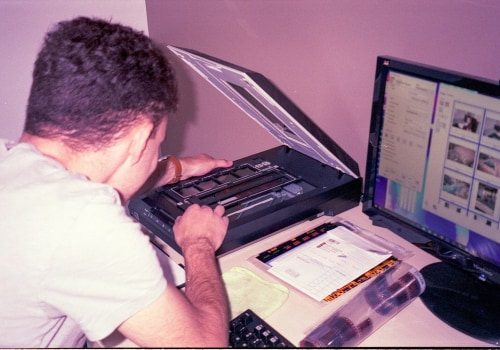
It utilized a telephone line to send documents quickly, laying the groundwork for what would become a staple in business communication. Traditional fax machines operate by scanning a document and converting it into a series of electronic signals that can be transmitted over a telephone line. The receiving fax machine then decodes these signals back into a physical document. Despite their efficiency at the time, traditional fax machines came with significant limitations, such as the need for physical paper, maintenance issues, and operational costs associated with dedicated phone lines. As digital communication began to take precedence in the late 20th century, businesses sought more convenient solutions, leading to a dramatic shift away from traditional faxing methods. The rise of digital communications paved the way for online fax services, which emerged as a practical solution for users looking for It utilized a telephone line to send documents quickly, laying the groundwork for what would become a staple in business communication. Traditional fax machines operate by scanning a document and converting it into a series of electronic signals that can be transmitted over a telephone line. The receiving fax machine then decodes these signals back into a physical document. Despite their efficiency at the time, traditional fax machines came with significant limitations, such as the need for physical paper, maintenance issues, and operational costs associated with dedicated phone lines. As digital communication began to take precedence in the late 20th century, businesses sought more convenient solutions, leading to a dramatic shift away from traditional faxing methods. The rise of digital communications paved the way for online fax services, which emerged as a practical solution for users looking for Fax Online FreeFax Online Free options.
These services allow users to send and receive faxes via email or web-based platforms, eliminating the need for bulky hardware and paper. By simply uploading a document to an online platform or sending an email to a designated fax number, users can transmit documents instantly. This new model not only streamlines the process but also integrates seamlessly into existing digital workflows. One of the primary advantages of using online faxing is its accessibility. Users can send faxes from anywhere with an internet connection, making it ideal for remote work environments or on-the-go professionals. These services allow users to send and receive faxes via email or web-based platforms, eliminating the need for bulky hardware and paper. By simply uploading a document to an online platform or sending an email to a designated fax number, users can transmit documents instantly. This new model not only streamlines the process but also integrates seamlessly into existing digital workflows. One of the primary advantages of using online faxing is its accessibility. Users can send faxes from anywhere with an internet connection, making it ideal for remote work environments or on-the-go professionals.
Additionally, online fax services tend to be more cost-effective than maintaining a traditional fax machine, as they usually operate on a subscription or pay-per-use basis without hidden costs associated with paper and ink. Furthermore, many services offer free options that enable users to send a limited number of faxes without incurring charges. Several popular free online fax services are available today, each offering unique features tailored to different user needs. For instance, HelloFax allows users to send up to five free faxes per month and offers an intuitive interface where you can upload documents directly from cloud storage services like Google Drive or Dropbox. Another option is FaxZero, which allows users to send up to three free faxes per day with a limit of three pages each.
While these services provide significant ease of use, they may have limitations such as including ads on cover pages or restrictions on page counts. Security remains a critical concern when it comes to online faxing. To ensure that sensitive information is transmitted securely, users should look for services that offer encryption protocols and comply with privacy regulations such as HIPAA for healthcare-related documents. It is advisable to avoid using public Wi-Fi networks when sending confidential faxes and to utilize services that provide two-factor authentication for an added layer of security. User testimonials illustrate the practical applications and successes with online faxing. For example, a small business owner reported saving time and resources after switching from a traditional fax machine to an online service.
They noted that they could handle faxes directly from their smartphone while traveling, significantly enhancing productivity. Similarly, healthcare professionals have expressed satisfaction with online faxing as it allows them to securely transmit patient information while adhering to legal requirements. However, potential criticisms or concerns about online faxing versus traditional methods do exist. Some argue that the reliance on internet connectivity may pose challenges in areas with poor service or during outages. Others worry about data breaches and unauthorized access to sensitive information transmitted through digital means.
Despite these concerns, ongoing advancements in encryption and cybersecurity measures continue to enhance the safety and reliability of online faxing solutions. In summary, the evolution of fax technology from traditional machines to modern online services reflects broader trends in communication technology. As users increasingly prioritize convenience and efficiency, online faxing presents itself as a viable alternative that meets contemporary needs while addressing many limitations inherent in older methods.
The Shift to Digital: How Faxing Evolved
The evolution of fax technology has undergone a significant transformation from its analog origins to the modern digital landscape we see today. Initially, traditional fax machines operated using a series of physical components that scanned documents and transmitted them over telephone lines. This method, while revolutionary at the time, had its limitations in terms of speed and accessibility. As technology progressed, the limitations of analog faxing became increasingly apparent.The demand for quicker and more efficient communication led to the development of digital faxing, which utilized electronic signals to transmit information. This transition marked a pivotal shift in how documents were sent and received, allowing for better quality and faster delivery. With the rise of the internet in the late 20th century, the next logical step was the emergence of online fax services. These services eliminated the need for bulky machines and physical phone lines, enabling users to send and receive faxes directly from their computers or mobile devices. By utilizing email and cloud-based technology, online faxing offered unparalleled convenience, allowing users to access their documents from virtually anywhere. The shift from traditional fax machines to online solutions not only streamlined the process but also catered to the growing desire for efficiency in business communication.
Modern users now prefer these digital methods, as they provide faster transmission times, reduce paper waste, and enhance security through encryption. This evolution illustrates how fax technology has adapted to meet the changing needs of society, paving the way for the growing trend of 'Fax Online Free' services that prioritize user convenience and operational efficiency.
Sending Faxes Securely Online
As the world shifts towards online faxing, ensuring the security of transmitted documents is paramount. Here are essential tips to enhance the security of your faxes when using online services. First and foremost, utilize a service that employs end-to-end encryption. This technology protects your documents from unauthorized access during transmission. By encrypting the data, even if it is intercepted, it remains unreadable without the proper decryption key. Additionally, always opt for two-factor authentication (2FA) when available.This adds an extra layer of security by requiring not only a password but also a second form of identification, such as a text message code or authentication app, to access your faxing account. It's also crucial to use a service that adheres to industry standards for compliance, especially if you are handling sensitive information. Look for providers that comply with regulations such as HIPAA or GDPR, which mandate strict privacy and security measures. Moreover, consider using a virtual private network (VPN) when sending faxes over public Wi-Fi. A VPN encrypts your internet connection, making it more difficult for hackers to intercept your data. Lastly, always be cautious about sharing your fax number. Limit access to trusted individuals and organizations to reduce the risk of unsolicited faxes or potential data breaches. By following these guidelines, you can confidently embrace the convenience of online faxing while protecting your sensitive information from potential threats.
The Origins of Fax Technology
Fax technology has a rich history that dates back to the 19th century, marking a pivotal shift in how information was transmitted over distances.The first known instance of fax technology was conceived in 1843 by Scottish inventor Alexander Bain, who developed an early version of the fax machine, known as the faximile. This device used a process called electromechanical transmission, which allowed for the sending of images over wires. Following Bain's invention, Giovanni Caselli, an Italian inventor, created the in 1865. This device could transmit written documents and images through telegraph lines, further enhancing communication capabilities. The Pantelegraph's ability to replicate documents remotely laid the groundwork for future fax machines. By the late 19th century, various designs and improvements were made to fax technology, leading to more reliable and faster devices. The advent of telephony in the early 20th century provided a new medium for fax transmission, ultimately leading to the creation of the first commercial fax machines in the 1920s.
These machines revolutionized communication by enabling businesses to send documents instantly rather than relying on postal services. The transition from mechanical to electronic fax machines occurred in the mid-20th century, allowing for greater efficiency and ease of use. With these advancements, the role of fax technology became increasingly significant in both personal and professional communication. As we moved into the late 20th century, fax technology continued to evolve alongside advancements in digital communication. However, traditional fax machines began to face competition from emerging technologies such as email and online messaging systems. In summary, the origins of fax technology highlight its crucial role in transforming communication from manual processes to more instantaneous methods. The innovations from early inventors paved the way for what would eventually evolve into modern online faxing solutions that are now widely used today.
Exploring Free Online Fax Services
In the digital age, free online fax services have emerged as a convenient alternative to traditional fax machines.These services allow users to send and receive faxes through the internet, eliminating the need for bulky hardware and dedicated phone lines. Here, we explore some of the best free online fax services currently available, evaluating their features and limitations.
1.FaxZero
: This service offers users the ability to send faxes for free with a limit of 5 faxes per day and up to 3 pages per fax. FaxZero is user-friendly and provides a straightforward interface. However, it does include advertisements on the cover page of each fax, which may not appeal to all users.2.GotFreeFax
: Similar to FaxZero, GotFreeFax allows users to send up to 2 free faxes per day with a maximum of 3 pages each.One advantage of GotFreeFax is that it does not add any advertising to the cover page, making it a more professional choice. However, its limitations on daily usage may be restrictive for frequent users.
3.eFax Free
: eFax Free provides a more comprehensive service where users can send faxes online and receive them via email. The free version allows users to send a limited number of faxes, but receiving faxes requires a subscription after an initial trial period. This service is ideal for those who need both sending and receiving capabilities but may not be suitable for casual users due to potential costs after the trial.4.HelloFax
: HelloFax offers a free plan that allows users to send up to 5 pages without charge.It integrates seamlessly with cloud storage services like Google Drive and Dropbox, making it convenient for those who already use these platforms. However, additional pages come at a cost, which can add up quickly for users needing to send larger documents.
5.MyFax
: While MyFax is primarily a paid service, it offers a 30-day free trial that allows users to send up to 100 pages during that period. This can be a great option for temporary needs but requires a commitment after the trial ends. Users appreciate the robust features and ease of use but should be aware of the eventual costs involved. In summary, free online fax services provide valuable alternatives for individuals and businesses looking to transition from traditional faxing methods.While they come with various limitations in terms of page count and features, they offer essential functionalities that cater to modern communication needs. In conclusion, the journey of fax technology from its humble beginnings to its current state as a vital communication tool highlights its significance in our modern world. We have explored the origins of fax technology, the shift to digital formats, and the emergence of free online fax services that cater to today’s fast-paced environment. With the increasing preference for convenience and efficiency, it is essential to recognize how far we have come and the options available today. As we emphasize the importance of understanding both the history and advancements in fax technology, we encourage readers to consider exploring free online fax options as viable alternatives to traditional methods. However, it is equally crucial to remain vigilant about security when using these modern solutions.